SpaceX’s booming data center business is fueled by illegal turbines, lawsuit alleges
SpaceX’s booming third quarter profits were boosted by natural gas turbines that are operating illegally, spewing pollutants into Black neighborhoods, according to an organization challenging the turbines in court.
SpaceX posted better than expected earnings and impressive guidance late Tuesday, lifting the stock 7.8% on Wednesday. Sales jumped by an astonishing 161% year over year, way ahead of analysts’ expectations.
SpaceX “was able to ‘outpace’ its competitors because it bypassed the law,” according to Laura Thoms, director of enforcement at environmental law nonprofit Earthjustice, which is leading legal efforts on a case brought by the NAACP against SpaceX’s artificial intelligence unit, xAI.
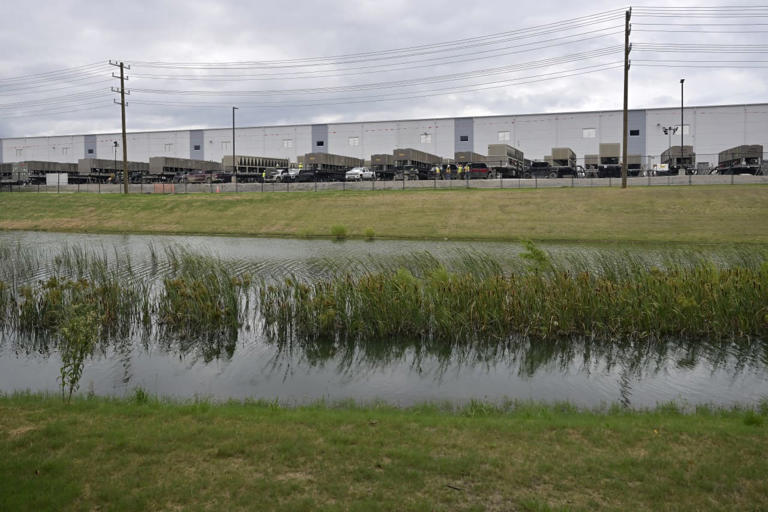
While SpaceX has touted its plans to eventually operate data centers in space, all its data center warehouses are on earth today—and specifically in a cluster surrounding Memphis, with facilities located in both Tennessee and Mississippi. The facilities have brought jobs and tax revenue to the area, but also serious health impacts, critics say.
The data centers are powered by natural gas turbines, some of which haven’t gone through full permitting reviews normally required of power plants. SpaceX has gotten its plants up and running quickly by setting up mobile natural gas units on-site that can be mobilized in weeks and don’t have to be connected to the broader electricity grid. More permanent power plants can take years to construct.
The NAACP sued xAI in U.S. District Court for the Northern District of Mississippi in April over the turbines, claiming their emissions are harming local residents in the Black neighborhoods around the data center sites. Without pollution controls mandated by the Clean Air Act, the turbines can emit 10 times the expected amount of nitrogen oxides, “contributing to increasing risks of heart disease, lung disease, and premature death,” the suit says.
SpaceX didn’t respond to requests for comment. But in legal filings the company has said that the company didn’t have an obligation to obtain the permits for its mobile turbines, and that the air quality in the area where it has set up the turbines has met EPA standards since the turbines started operating. SpaceX also says these turbines are only temporary, and are already being replaced by a more permanent, permitted system. The company says that halting operations of the turbines would harm hundreds of millions of AI users.
The NAACP is seeking an injunction to force SpaceX to upgrade its turbines with environmental protections. The company has said that if the NAACP gets its wish it could force the data centers to shut down, causing “catastrophic financial, operational, and reputational harms.”
SpaceX’s Memphis-area data centers use 1.7 gigawatts of power, making them one of the largest data center complexes in the country and a key reason that the company’s third-quarter revenue rose so much. SpaceX has its own chatbot called Grok. But its real cash cow comes from renting out its data centers. It charges Anthropic $1.25 billion a month, the company said in a prospectus filed with regulators before it went public in June. Google, owned by Alphabet, is also a client.
The Memphis complex is central to SpaceX’s plans. CEO Elon Musk said on the company’s earnings call he is spending “a lot of my time” there, often staying there four days a week. Demand from AI companies looking for power is “extraordinary.” SpaceX’s data center complexes could grow to 3 gigawatts of capacity by the end of the year, and at least 13 gigawatts by the end of 2027, he said. That’s as much as 10 large nuclear reactors.
Critics say that the company’s astounding growth is powered by methods that flout environmental law. SpaceX was able to make so much money “by racing ahead to power their data centers without complying with basic requirements under environmental law to protect the health and safety of surrounding communities,” said Thoms, director of enforcement at environmental law nonprofit Earthjustice, which is co-lead counsel on the NAACP case. “They’re doing this on the back of residents that live around these turbines that are pumping out pollution around the clock.”
The Trump administration also has weighed in, defending the power plants. The Department of Justice has attempted to dismiss the suit, arguing that the country’s national security would be harmed if the turbines stopped operating. The U.S. military uses Grok. The Mississippi plant is a “matter of paramount national security” as “foundational to our modern defense posture as traditional munitions production.”
The state of Mississippi, which has offered SpaceX tax breaks to set up its data centers, has also filed briefs in the case to keep the facility running. It says SpaceX’s facility is “the largest economic-development project in Mississippi’s history.”
This week, a federal-district court judge granted the federal government’s request to intervene, but denied its request to dismiss the case. A Department of Justice spokesman wrote that “the Executive Branch, in coordination with states, (not the NAACP of Mississippi) retains ultimate control over enforcement of the Clean Air Act.”