Full list of level 4 travel warnings as US citizens given alerts
Amid rapidly escalating hostilities between the United States and Iran, the U.S. State Department has issued a wave of new travel alerts and heightened advisories for American citizens across the Middle East and beyond.
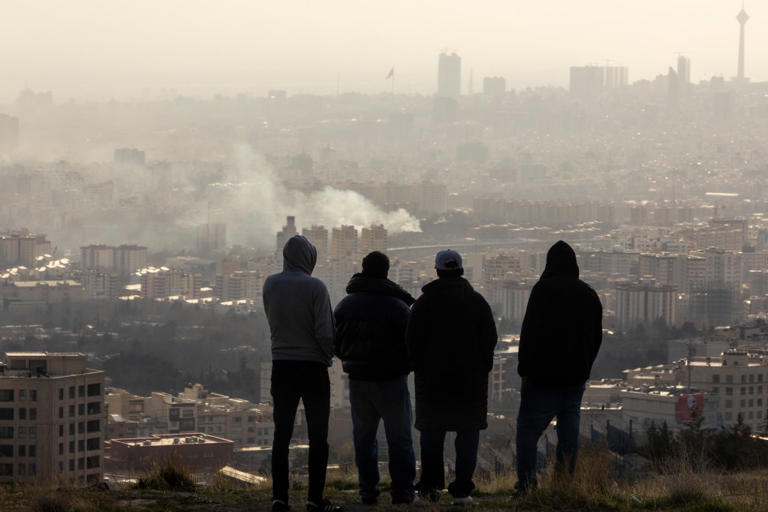
The warnings come after a dramatic series of military exchanges that have reshaped regional security conditions and disrupted global travel.
The conflict intensified after the United States and Israel launched coordinated strikes on Iranian military and strategic sites early Saturday. Iran’s Supreme Leader Ayatollah Ali Khamenei was killed in the attack, prompting swift retaliatory strikes on U.S. bases across the Middle East. The escalation occurred just days after both nations had engaged in diplomatic talks aimed at avoiding conflict.
As the conflict reaches its seventh day, Defense Secretary Pete Hegseth has warned that U.S. military operations against Iran are “about to surge dramatically.” President Donald Trump meanwhile declared that the United States will only engage Iran on the basis of “unconditional surrender.”
The fallout has been immediate and far‑reaching. Major international airports have canceled or rerouted flights, leaving hundreds of thousands of travelers stranded.
Meanwhile, the State Department has issued new advisories for several countries, including Qatar, Kuwait, Bahrain, the United Arab Emirates, Saudi Arabia, Pakistan, Oman, and Cyprus—all now under Level 3 alerts urging Americans to reconsider travel due to armed conflict, terrorism, or limited consular assistance.
Newsweek has outlined which countries are on a Level 4 and Level 3 advisory and what this means.
What Is a Level 4 Travel Warning?
A Level 4 advisory is the highest warning issued by the State Department. It instructs U.S. citizens not to travel to the designated country due to “life‑threatening risks.”
The department evaluates a range of factors when assigning this level, including:
- Crime: High likelihood of violent or organized crime, with limited local law‑enforcement support.
- Terrorism: Active threats or recent attacks.
- Civil Unrest: Protests, armed conflict, or political instability that could endanger U.S. citizens.
- Health Risks: Poor medical infrastructure, disease outbreaks, or conditions that could impede lifesaving care.
- Natural Disasters: Ongoing or recent catastrophic events.
- Kidnapping and Wrongful Detention: Elevated risk of hostage‑taking or politically motivated detentions.
Level 3 and Level 4 advisories are reviewed at least every six months, while Level 1 and 2 advisories are reassessed annually.
Which Destinations Have a Level 4 Travel Warning?
The State Department currently designates a number of destinations with a Level 4: Do Not Travel advisory, its highest warning level, reserved for locations where life‑threatening risks make travel unsafe.
Countries under this designation include:
Afghanistan: Ongoing terrorism, armed conflict, and risk of kidnapping; absence of U.S. embassy support.
Belarus: Arbitrary detention risks, civil unrest, and spillover threats from Russia’s war in Ukraine.
Burkina Faso: Widespread terrorism and armed attacks, especially in the north and east.
Burma (Myanmar): Civil war, military violence, arbitrary detentions, and ethnic conflict.
Central African Republic: Armed groups, violent crime, and limited government control outside the capital.
Gaza: Terrorism and armed conflict.
Haiti: Extreme gang violence, kidnappings, and near-total breakdown of public security.
Iran: High risk of arrest, terrorism, and lack of U.S. consular services; heightened tensions after U.S.–Iran conflict.
Iraq: Terrorism, militia activity, and armed conflict; restricted U.S. embassy operations.
Lebanon: Armed conflict risk, terrorism, and government instability; U.S. urged immediate departure during Iran crisis.
Libya: Militia violence, terrorism, and lack of functioning national government.
Mali: Terrorism, kidnapping, and armed conflict across large regions.
Niger: Military coup, terrorism, and instability along border regions.
North Korea: Risk of long-term detention, lack of diplomatic relations, and severe restrictions on movement.
Russia: Arbitrary enforcement of laws, risk of detention, and dangers linked to the war in Ukraine.
Somalia: Terrorism, piracy, and clan-based conflict; extremely limited security environment.
South Sudan: Armed conflict, intercommunal violence, and humanitarian crises.
Sudan: Civil war, widespread violence, and collapse of government services.
Syria: Active warzone with terrorism, chemical weapons use, and government repression.
Ukraine: Active armed conflict due to Russia’s invasion; missile strikes and military operations.
Venezuela: Political instability, crime, arbitrary detention, and collapse of infrastructure.
Yemen: Intense armed conflict, terrorism, drone and missile attacks, and humanitarian collapse.
Which Destinations Have a Level Three Travel Warning?
A Level 3 travel warning advises travelers to “reconsider travel” to a country due to serious risks to safety and security. This includes crime, civil unrest, and terrorism, and marks the second-highest level.
Countries with this warning include:
- Qatar: Threat of drone and missile attacks; major flight disruptions.
- Kuwait: Ordered departure of non‑emergency U.S. personnel; ongoing UAV threats.
- Bahrain: Heightened terrorism and armed conflict risks.
- United Arab Emirates: Risk of terrorist violence, especially near Israeli or Jewish sites.
- Israel: Terrorism, civil unrest and ongoing military activity.
- Saudi Arabia: Armed conflict near the Yemen border; terrorism concerns.
- Pakistan: Terrorism, kidnapping, and conflict risks in multiple provinces.
- Oman: Limited embassy operations; terrorism concerns.
- Cyprus: Limited U.S. assistance in the Turkish Cypriot‑administered area.
- Nigeria: Crime, terrorism and civil unrest.
- Jordan: Threat of drone and missile attacks.
- Papua New Guinea: High levels of serious crime including violent crime.
What Happens Next?
President Donald Trump has said that the U.S. military campaign in Iran could last for four or five weeks to achieve its aims but has warned that it could “go far longer than that.”