Ukraine sends drone units to five Gulf countries
Ukraine has sent drone units to five Gulf countries at the invitation of their governments as US-made interceptor ammunition runs low.
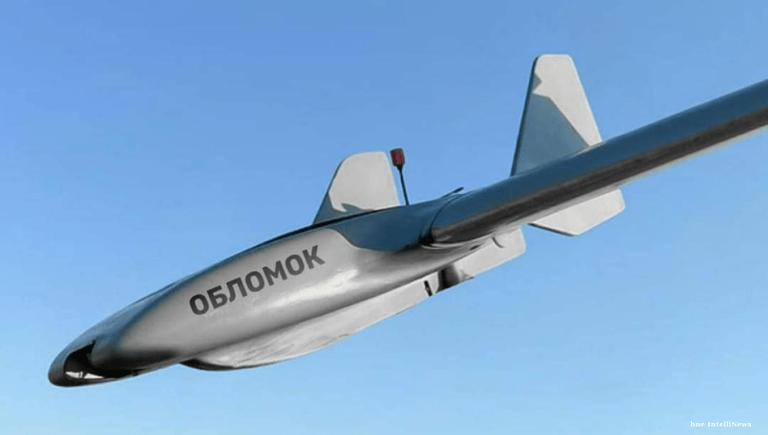
Ukrainian President Volodymyr Zelenskiy Said the units had been sent to advise and train gulf states in a deal that will see then provide Ukraine with a much sought after patriot PAC 3 interceptor missiles those stuff in exchange Ukraine will share its extensive expertise in bringing down drones and missiles and ultimately provide the gulf states with its newly developed interceptor drones.
Ukraine has offered the White House to share its drone technology as the US burns through extremely expensive and irreplaceable in the short term ammunition. However US President Donald Trump turned down the offer, saying, “we don’t need any help.”
Zelinsky’s drone deal with the gulf state was not done in coordination with the White House, and the Ukrainian president says he was responding to requests coming directly from the gulf states that find themselves under missile attack from Iran.
Well the intensity of Ukrainians Iranian missile attacks has dropped off significantly from the opening barrage in the first two days, they are still running at around 50 or 60 strikes a day and becoming increasingly devastating.
Iran’s tactic as part of its “Command of the Reload” tactics was to fire an intense barrage of cheap and unsophisticated drones at Israel in the first few days of Operation Epic Fury, specifically designed not to cause damage but simply run down stocks of its sophisticated interceptor air defence missiles. Israel has burnt through half its Arrow defence missiles and put in an urgent request to the Pentagon to be resupplied with PAC-3 interceptors after only two weeks of combat.
Now the war is in a second phase where Iran has switched to using state-of-the-art missiles that haven’t been seen before, such as Iran’s Fattah-2 hypersonic missile, in order to inflict devastating damage on Israeli cities and assets. Likewise, Iran targeted and hit a fifth generation stealth F-35 fighter last week forcing it to make an emergency landing.
F-35 jets were supposed to be immune to air defence missiles, but Iran has reportedly developed a system that can use passive infrared sensors rather than radar to target aircraft, a solution that previously proved effective in Yemen when employed by Iranian-supported Houthi rebels.
Ukraine to the rescue
Rustem Umerov, secretary of Ukraine’s National Security and Defence Council, said Kyiv had sent specialised teams to the United Arab Emirates, Saudi Arabia, Qatar, Kuwait and Jordan following a regional tour.
“Ukrainian military specialists are operating in each of these countries under the coordination of the National Security and Defence Council,” Umerov said, adding that “interception units have been deployed to protect civilian and critical infrastructure”.
He said efforts were ongoing to broaden the scope of operations. “Work is also under way to expand coverage areas,” he said, while outlining plans for “long-term security cooperation” with each of the host nations.
The deployments reflect growing international demand for Ukraine’s expertise in countering drone warfare, developed during its conflict with Russia. Kyiv says nearly a dozen countries have sought assistance in defending against large-scale attacks using inexpensive kamikaze drones, which have become a defining feature of modern conflicts and are now being deployed in the Gulf.
Umerov said Ukrainian teams were focusing on applying domestic technologies and battlefield experience to new environments, including advising partners on air defence systems tailored to counter unmanned aerial threats.
The move comes amid rising concerns over the security of key energy infrastructure and shipping routes in the region, particularly around the Strait of Hormuz, a critical artery for global oil and gas supplies.
President Volodymyr Zelenskiy indicated that Ukraine could play a broader role in international security efforts. He said he had instructed officials to assess “the real readiness” of countries to join initiatives aimed at protecting the Strait of Hormuz.
“It is important that Ukraine’s global significance in ensuring security and the quality of Ukrainian security expertise in safeguarding lives are recognised by all partners,” Zelenskiy said.