America’s colleges are hurtling toward an enrollment cliff
Higher education is hitting a demographic cliff. After years of growth, the pipeline of 18-year-olds is dwindling—a result of lower birthrates.
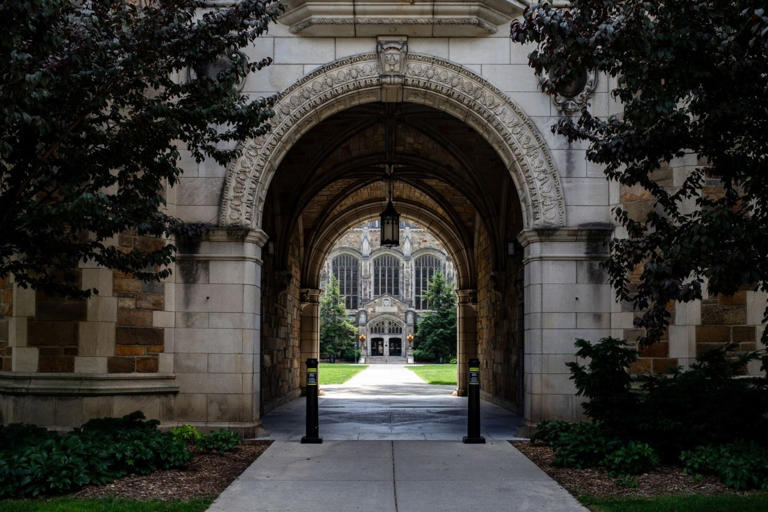
The largest number of Americans born in a single year arrived on campus in the autumn of 2025, and now a falloff is looming. College enrollments are forecast to drop 13% by 2041, according to the Western Interstate Commission for Higher Education. In some parts of the country—especially the Midwest and the Northeast—the declines have already begun.
You would think a shrinking pool of students would automatically make it easier to get into college. But that won’t necessarily be true everywhere, especially at the most competitive schools, higher-education analysts say.
It is impossible to precisely predict colleges’ admission rates in the future as those numbers depend on a lot of things, including the reputations of campus culture, sports team wins and even the weather. But the demographic cliff is hitting just as another phenomenon is coming into play: a flight-to-quality, where the most sought-after schools are attracting an ever-growing number of applicants, while less-attractive schools draw fewer.
Part of the reason is rising skepticism about the value of a college degree. More families reason that if they are going to spend tens of thousands of dollars, the diploma better pay off with a good job—otherwise why bother?
This dynamic has been playing out in the Ivy League, for instance, where admission rates have fallen over the past decade-plus.
Coveted schools just outside the Ivies have gotten more competitive as well.
Many big public flagships are also getting more competitive. Some, such as the University of Michigan, have long held prestige. Other state schools have surged in status and are drawing students who want a classic campus experience but at a lower cost than many private schools.
On the other hand, many regional or less-selective schools have become even more accessible.
Teens are hedging their bets by applying to more schools. On average, students now submit nearly seven applications each on the Common App, a rise of 46% since 2015-16, according to a 2024-25 report from the provider.