Chevy Bolt owner shocked by Tesla Supercharger prices after charging for just 6 minutes
A Chevrolet Bolt driver testing a new adapter at a Tesla Supercharger expected a routine late-night top-up. Instead, a six-minute session at 10:30 p.m. came with a price that caught the driver off guard: 72 cents per kilowatt-hour.
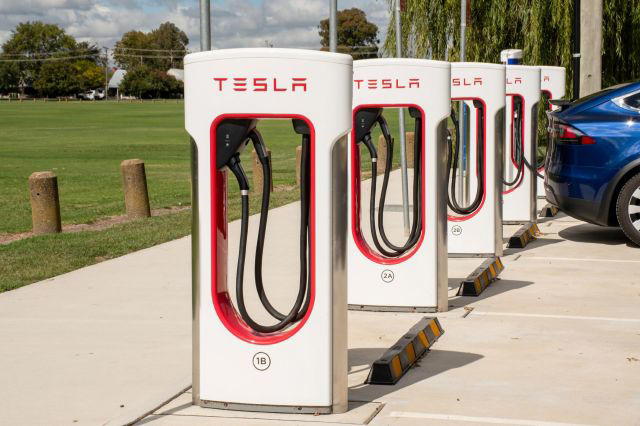
Here’s what to know
Mechanically, the session went as planned. In a post on Reddit’s r/electricvehicles, the driver said the Bolt started at about 50% battery, added roughly 2 kilowatt-hours, and worked “flawless” with the CCS-to-NACS adapter and Tesla app.
Replies suggested the location may have been a big part of the problem. After hearing from other users, the OP updated the thread: “It’s looking like Wawa charges an insane premium of around $.70 at most of their facilities, and off peak doesn’t start till midnight.”
The OP originally said: “It was 72¢ per kwh,” compared with a nearby Ionna charger the driver said was “charing 39¢ per kwh.”
Users said timing and membership status can make a major difference.
One user said, “The hours vary by location (some don’t even have off-peak hours) and the two near me that have off peak hours are from 11pm to 7am during which the price is halved.”
Another user added that non-Tesla drivers without a membership often face the highest rates: “My local supercharger is 65c right now. The price for my Tesla at the same supercharger is 44c.”
More background
The discussion focused on a familiar issue in public EV charging: access is expanding, but price transparency can still be frustrating. For this driver, the Tesla network worked smoothly with the adapter, but the cost undercut one of the main financial benefits many people expect from driving electric.
Not everyone in the thread saw Tesla sites as a first choice for non-Tesla vehicles. One user called Superchargers a “refuge of last resort,” while another described paying a similarly high rate during an EV6 stop at a Quick Check in Central New Jersey because it was “the most convenient fast charger in the area.”
Several users specifically praised Ionna for lower pricing and a smoother experience, especially for GM drivers using app-based discounts.
What can be done?
Memberships may also play a role. One user said non-members generally pay more at Tesla stations, while another shared a local example in San Clemente, California, where Tesla-owner pricing dropped to 31 cents at certain hours even as other networks charged much more.
Multiple users said Ionna stations were cheaper, with the Bolt driver saying in the thread that the MyChevy app offered a 10% GM discount and a credit card added 4% back on public charging.
Home solar access or lower residential rates can make public DC fast charging more of a convenience than a default option.
Where can I learn more?
These articles dig into the same issues this Bolt driver ran into: charging access, adapter compatibility, and unexpectedly high fast-charging prices. They show how Tesla Supercharger rates vary, how non-Tesla drivers are connecting, and why many keep looking for cheaper options.