Ford Explains Why Naming Cars Is So Hard: ‘Everyone Has An Opinion’
Ford’s team runs each name through approvals, research, and translation tests before anything reaches buyers.
Naming a car might sound like the most fun part of the job. Come up with something catchy, run it by a few people, and slap it on the back of the car, right? Not quite.
At Ford, picking a name for a new model involves dozens of executives, thousands of consumers, and enough legal paperwork to make you wonder if the whole thing is worth it. Just ask Scott Hauman, Ford’s global head of nomenclature.
Scott’s team is on track to name nearly 100 vehicles, features, and services in 2026 alone. And no, naming a new Mustang isn’t anything like naming a kid—a baby doesn’t need approval from 40 executives and a couple thousand strangers before you can introduce it to the world.
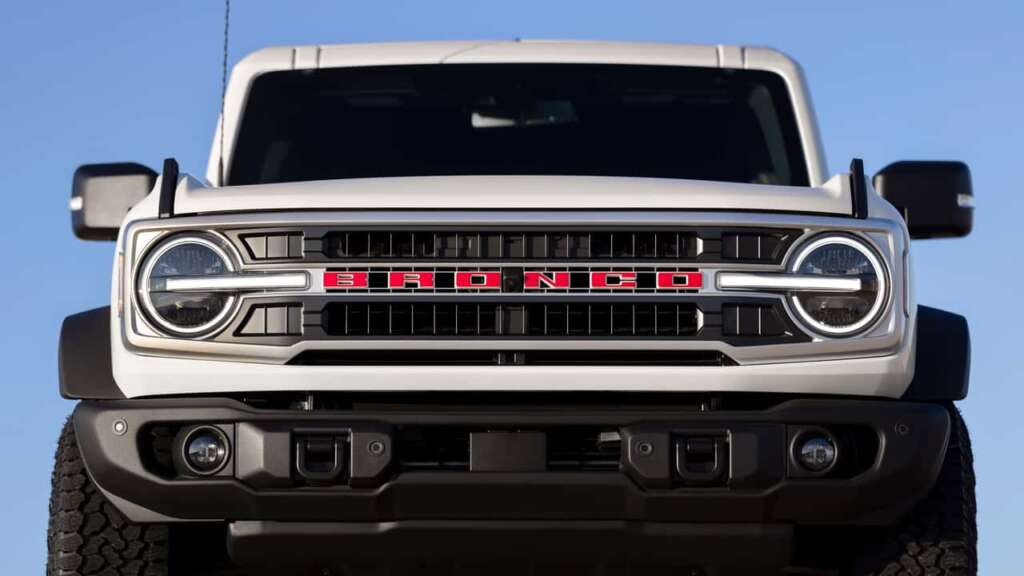
Getting A Name Past The Bosses
Before a name makes it into a press release, it needs approval from 30 to 40 people inside Ford, Hauman says. That includes senior executives who can reject an idea outright, forcing the team to go back to the drawing board. Hauman compares the process to getting a bill through Congress, he says:
‘Getting a name approved is like passing a bill in Washington… It is the most subjective territory there is. Everybody still has an opinion.’
Like legislation, a potential name has to make it through several rounds of scrutiny before it becomes official. And even if everyone inside Ford is on board, there’s still the public to consider. The company tests names with roughly 2,000 consumers through private research panels.
Lawyers, Translators, And Plenty Of Backup Plans
Even when a name passes the internal vote and consumer testing, it still has to survive legal review. Ford’s lawyers screen every candidate for trademark conflicts, and a name that checks all the other boxes can still get tossed if another company already owns the rights.
Then there’s the language barrier. A name that sounds bold in English might mean something awkward in another language or simply fail to make sense in a different market. Ford has to account for those differences, particularly when choosing names intended for international use.
Hauman says the job sometimes feels less like branding and more like preparing a case in court:
‘Some days I feel more like a county prosecutor, building a case and taking it to the judge.’
Even Rejected Names Sting
You’d think that after naming so many vehicles and features, rejection would eventually become part of the routine. But Hauman says it doesn’t get much easier:
‘What you do not expect is how it still stings, every time.’
So the next time you see a new Ford feature with a name that sounds almost too obvious, remember that it probably wasn’t an easy choice. And somewhere in Ford’s offices, there’s probably a rejected name that someone still isn’t quite over.