Want to live longer? Experts recommend limiting these 6 foods
Key Takeaways
- For better long-term health, cut back on processed meats, sugary drinks, salty packaged snacks, and pastries, since they can raise the risk of heart problems, blood sugar issues, weight gain, and some cancers.
- Choose simple swaps more often, like beans, lentils, tofu, fish, eggs, fruit, yogurt, air-popped popcorn, and water or unsweetened tea, to get more filling nutrients without the downsides of heavily processed foods.
- It also helps to limit foods high in saturated fat and keep alcohol modest, leaning instead on lean proteins and oils like olive or avocado to better support heart health and longevity.
If you want to live a long life, eating whole foods is one of the best things you can do. Coupled with regular exercise, quality sleep, and strong relationships, whole foods can help extend your overall lifespan. But even if you’re practicing these habits for longevity, it’s still important to limit or avoid foods that work against it, too. That’s because such foods can raise the risk of serious health issues, potentially leading to an early death.
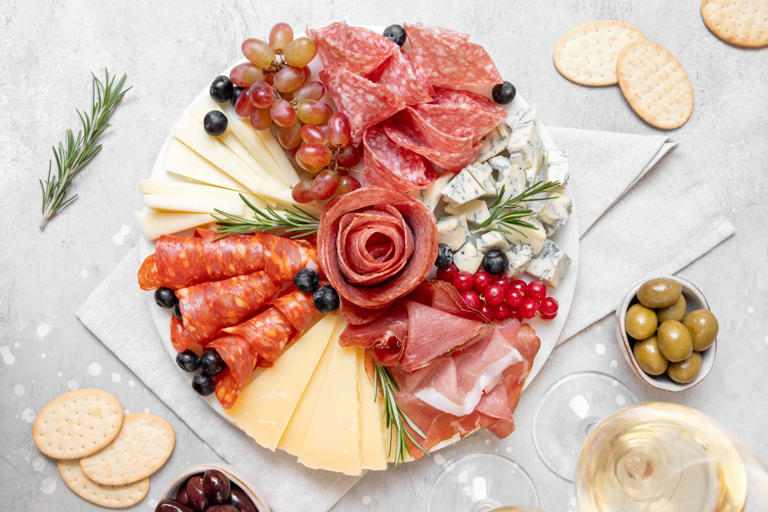
What are the worst foods for longevity, exactly? We chatted with registered dietitians to learn which foods are the biggest culprits, along with ideas for better-for-you alternatives.
Meet Our Expert
- Rachael Ajmera, MS, RD, a registered dietitian and founder of Nutrimental
- Lyndsay Hall, BASc, RD, a registered dietitian at JM NutritionProcessed meats may be convenient, but overeating them can reduce your lifespan. “Processed meats like bacon, sausage, pepperoni, deli meat, and hot dogs are typically high in sodium, preservatives, and other ingredients that can contribute to inflammation and oxidative stress inside your body,” explains Rachael Ajmera, MS, RD, a registered dietitian and founder of Nutrimental. This is noteworthy because inflammation and oxidative stress are the main drivers of chronic disease (like cancer and type 2 diabetes), which can decrease your life expectancy.
A high intake of processed meats can also lead to heart disease, the leading cause of death in the U.S. This is partly due to the high sodium content, which can lead to high blood pressure, a major risk factor of heart disease. There’s a hefty amount of saturated fat, or “bad” fat, found in processed meats, too. When consumed in high amounts, saturated fat can raise your blood cholesterol levels, another heart disease risk factor.
But that’s not all. Regularly consuming sodium, nitrates, and nitrites (i.e., additives found in processed meats) can contribute to certain gastrointestinal cancers, such as colon cancer, notes Lyndsay Hall, BASc, RD, a registered dietitian at JM Nutrition. Plus, “emerging research suggests that processed meats can alter your gut microbiome as well, which could increase the production of metabolites linked to inflammation and heart disease,” says Ajmera.
01 of 06
What to Eat Instead
“Consider swapping processed meats for protein-rich foods like beans, lentils, tofu, tempeh, and edamame, all of which also provide other important nutrients that can promote longevity, like fiber and antioxidants,” recommends Ajmera. Other options include unprocessed meats like chicken, fish, and turkey, she notes. Craving something convenient? Try canned fish or boiled eggs, as recommended by Hall.
Sugar-sweetened drinks like soda, sweet tea, sports drinks, and energy drinks can shorten your life expectancy, too. “These drinks deliver large amounts of added sugar with little to no nutritional value, making it easy to consume excess calories without feeling full,” explains Ajmera. Their sugar content is also refined, which is quickly absorbed, leading to rapid spikes in blood sugar and a higher risk of type 2 diabetes.
Plus, a high or regular intake of refined sugars can increase the risk of chronic health conditions, such as cardiovascular disease, dyslipidemia (i.,e, imbalance of fat levels in the blood), and obesity, Hall points out. These conditions are generally linked to health complications that can harm longevity, she adds. Case in point: “Research suggests that a higher intake of sugar-sweetened beverages is tied to an increased risk of premature death, especially from heart disease,” Ajmera says.
02 of 06
What to Eat Instead
When possible, pick unsweetened or minimally sweetened drinks. Examples include water, sparkling water, and unsweetened tea, per Ajmera. Not a fan of plain water? Try infusing water with fruits and herbs or making a homemade sports drink.
“Salty snacks like crackers, pretzels, and potato chips are highly processed and tend to be packed with refined carbs, unhealthy fats, and additives while offering relatively little fiber, protein, or other beneficial nutrients,” explains Ajmera. They’re also typically very high in sodium, which can contribute to high blood pressure over time, Ajmera adds. Again, this is a red flag because high blood pressure can lead to heart disease, the number one cause of death in the country.
“Many salty snacks are also easy to overeat, which can drive up your calorie intake and lead to weight gain, further increasing the risk of chronic diseases that can take a toll on longevity,” Ajmera says.
03 of 06
What to Eat Instead
“If you’re craving a savory snack, consider more nutrient-dense options like roasted chickpeas, air-popped popcorn, or roasted edamame,” suggests Ajmera. “You can also make your own baked veggie chips at home, which gives you more control over the ingredients and amount of salt that you use,” she adds.
Packaged pastries like cookies, brownies, and donuts are some of the worst foods for longevity, experts say. “They’re low in important nutrients like fiber, protein, vitamins, and minerals, yet high in added sugar, refined carbs, calories, and saturated fats,” Ajmera says. For starters, their added sugar content can cause rapid spikes and crashes in blood sugar levels, negatively impacting metabolic health in the long run, she adds. “Plus, because they’re designed to be highly palatable, it’s easy to go overboard and eat more than intended. As a result, they can displace other more nutritious foods in your diet,” Ajmera explains.
Needless to say, regularly eating pastries “can contribute to weight gain, along with a higher risk of insulin resistance, type 2 diabetes, heart disease, and other chronic conditions associated with a shorter lifespan,” says Ajmera.
04 of 06
What to Eat Instead
“While the occasional treat can fit into a balanced diet, consider swapping these foods for more nutritious options whenever possible,” recommends Ajmera. “Fresh fruit, dark chocolate, chia seed pudding, and yogurt parfaits are all great alternatives to satisfy your sweet tooth,” she says. “Making your own treats or baked goods is a great option too, as you can adjust the type and amount of sweetener that goes into making it,” says Hall.
“Daily consumption of foods high in saturated fats, such as butter, cheese, cream, beef, pork, [and] lamb, is linked to increased health risk and potentially reduced longevity,” says Hall. This is especially true if your diet also lacks high-fiber, micronutrient-dense foods like fruits, vegetables, legumes, nuts, seeds, and whole grains, notes Hall.
The reason? A high intake of saturated fats can increase your levels of LDL (“bad”) cholesterol, which can increase the risk of heart issues. The excess cholesterol (along with other substances) builds up in the arteries, making them narrow. The result is atherosclerosis, a condition that decreases blood flow to your tissues and organs.
05 of 06
What to Eat Instead
Aim to eat more lean meats, such as fish or chicken breast, in place of things like beef or pork. Fatty fish like salmon and tuna are especially helpful, as they’re high in unsaturated (“healthy”) fat, which can help reduce your cholesterol when eaten in place of saturated fat. You can also try alternating animal proteins with plant-based versions, like legumes, tofu, and edamame, according to Hall.
It’s worth considering your cooking fats, too. Instead of butter, try using options lower in saturated fat, like olive oil or avocado oil.
Though alcohol isn’t a food, it’s a big part of social gatherings. It can also negatively impact your overall longevity, experts say. Specifically, research has found that when alcohol is consumed in higher amounts on a regular basis, it promotes inflammation and increases the risk of certain cancers, according to Hall. This includes conditions like pancreatic, liver, esophageal, and colorectal cancers, she notes.
Over time, regularly drinking alcohol can also pave the way for heart disease. That’s because regular alcohol consumption fuels inflammation, as mentioned, along with high blood pressure and unwanted weight gain. Together, these factors can increase the risk for heart issues and a shortened lifespan.
06 of 06
What to Eat Instead
If you already don’t drink alcohol, it’s best to not start, advises Hall. Also, “there are numerous non-alcoholic beers, wines, and mocktails available, which still allow [you] to partake in the social aspect of drinking alcohol,” Hall says. Otherwise, if you decide to drink, do so in moderation. This means sticking to one and two drinks per day for women and men, respectively, according to the experts at the CDC.