Daily blueberries linked to gut, brain, and heart gains
Daily dose benefits: One cup of blueberries a day may aid digestion, cognitive function, and cardiovascular health through fiber, vitamins, and antioxidant-rich polyphenols.
Fresh vs. frozen: Frozen blueberries can preserve or even increase anthocyanin levels compared to many store-bought fresh berries, providing a strong year-round option.
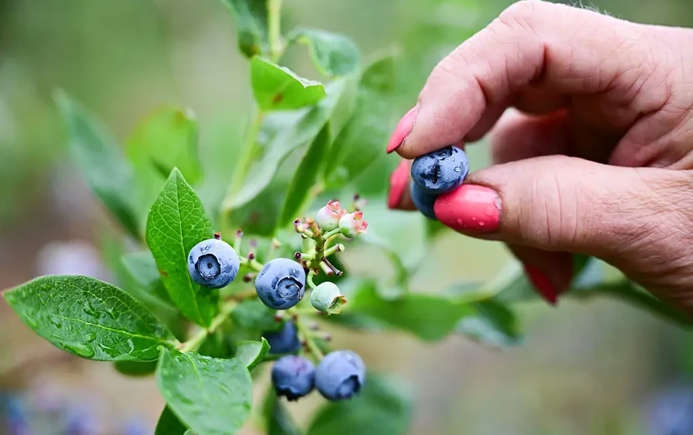
Practical use tips: Incorporate blueberries into yogurt, oatmeal, salads, or smoothies; choose ripe, bloom-covered berries, and store unwashed in the fridge’s coldest section.Blueberries contain vitamin C, vitamin K, manganese, and dietary fiber. These nutrients contribute to the overall nutritional value of the fruit and support various bodily functions.Blueberries provide dietary fiber, which is an important component of their nutritional profile. Fiber supports digestive health and contributes to satiety.Blueberries contain anthocyanins such as malvidin and delphinidin, which are responsible for their deep blue color. These compounds are a type of polyphenol with antioxidant properties.Wild blueberries often have higher anthocyanin concentrations than cultivated varieties. This difference is attributed to their smaller size-to-skin ratio, which increases the proportion of skin containing anthocyanins.Polyphenols in blueberries act as antioxidants that help reduce oxidative stress and inflammation. These effects contribute to potential health benefits associated with blueberry consumption.Blueberry polyphenols play roles in supporting vascular tone and regulating glucose control. These functions may contribute to cardiovascular and metabolic health.Research indicates that the fiber and polyphenols found in blueberries can encourage the growth of beneficial gut bacteria, including Bifidobacterium. These compounds may also help ease digestive discomfort in some individuals, suggesting a positive role in gut health.Some individuals have experienced relief from digestive discomfort after consuming blueberries. This effect is associated with the fruit’s fiber and polyphenol content.The freezing process can increase the availability of anthocyanins in blueberries by breaking down plant cell walls. This structural change can make the compounds more accessible for absorption.Frozen blueberries may have slightly lower vitamin C content compared to fresh blueberries. This nutrient difference is a noted effect of the freezing process.In the United States, the peak season for fresh blueberries runs from May through September. This period offers the best availability and quality for fresh berry purchases.Ripe blueberries should be dark blue in color and have a natural silvery bloom on their surface. Consumers are advised to avoid berries that are mushy, wrinkled, or have juice stains, as these may indicate spoilage or reduced quality.

