Family calls for sedation law changes after father’s death during dental procedure
A year after her husband died following a dental implant procedure, Sarah DiMatteo says the loss remains difficult to comprehend.
Anthony DiMatteo, a father of five, died on Sept. 17, 2024, after undergoing a full-mouth dental implant procedure at a Florida dental office.
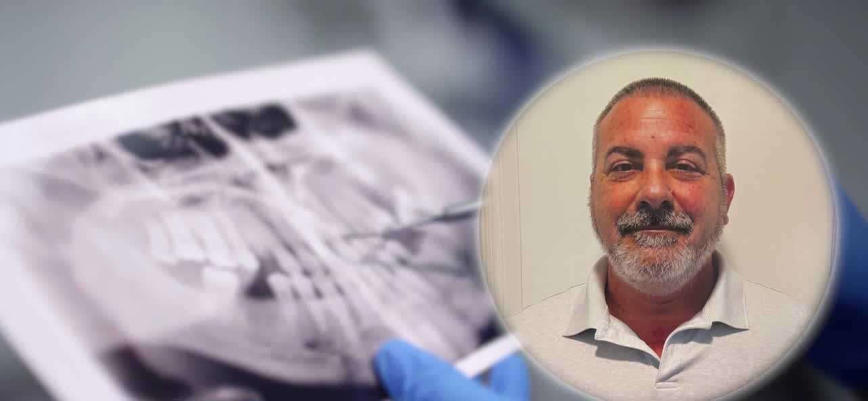
Now, his family and attorney are advocating for changes to Florida law governing sedation in dental procedures, arguing additional safeguards could help prevent similar tragedies.
“His absence has left us with an emptiness that’s really hard to describe with words,” Sarah DiMatteo said.
According to Sarah, her husband sought the procedure after years of dental problems.
“Unfortunately, no matter how well he took care of them, he had cracked teeth, teeth that had fallen out and were loose, and he was in a lot of discomfort and pain,” she said. “He was embarrassed. He loved to smile and laugh and he felt very self-conscious.”
The procedure was expected to be completed in a single day.
Sarah DiMatteo said she dropped her husband off shortly before 7 a.m. on the day of the surgery. About three hours later, she received a call from police informing her he was being rushed to a hospital.
“I’ve never felt so much panic in my life,” she said. “That phone call was terrible.”
Doctors later determined Anthony DiMatteo was brain dead.
“I never knew I would not see him awake again when I dropped him off,” she said.
According to the St. Lucie County Medical Examiner’s Office, Anthony DiMatteo’s death was caused by complications from the administration of fentanyl, midazolam and dexmedetomidine during the procedure. The manner of death was ruled accidental.
The medical examiner’s report also listed cardiovascular disease, hypertension and diabetes as contributing factors.
Sarah DiMatteo said her husband had a complex medical history, but she believes more scrutiny should have been given to whether he was an appropriate candidate for sedation.
“We trusted without asking those questions,” she said. “Now we know.”
Under Florida law, dentists who meet training requirements may obtain permits to administer moderate intravenous sedation. State records show Anthony DiMatteo’s dentist holds an active Florida Department of Health permit for moderate sedation.
Sarah DiMatteo and her attorney, Mike Grife, are now pushing for legislation that would require a dedicated anesthesia professional or other qualified provider to monitor patients receiving IV sedation during dental procedures, rather than allowing the operating dentist to oversee both the procedure and sedation.
“Wouldn’t it make sense to have a physician, anesthesiologist or a certified registered nurse anesthetist who has gone through years of specialized training there to make sure the patient is protected?” Grife said.
Grife argues that asking one person to perform a procedure while simultaneously monitoring sedation and responding to complications creates unnecessary risk.
“Imagine trying to juggle all those things at once,” he said. “You’re handling the sedation, the dental procedure and, if complications arise, you’re supposed to be handling that.”
He said the family believes Anthony DiMatteo’s death could have been prevented.
“We feel that Anthony’s death was preventable, that if the proper safeguards were in place, he would still be here today,” Grife said.
For Sarah DiMatteo, the legislative effort is about ensuring other families do not suffer a similar loss.
“It’s been devastating,” she said. “He was everyone’s best friend, but he was really our best friend. And we really miss him.”