No longer a caliphate: Donald Trump announces withdrawal of last US troops from Iraq
US President Donald Trump has announced that the last American forces are leaving Iraq, declaring the end of Operation Inherent Resolve in 2026.
In a post on Truth Social, Trump called the withdrawal a “Great Day for America” and said the US was leaving Iraq after what he described as years of costly military involvement.
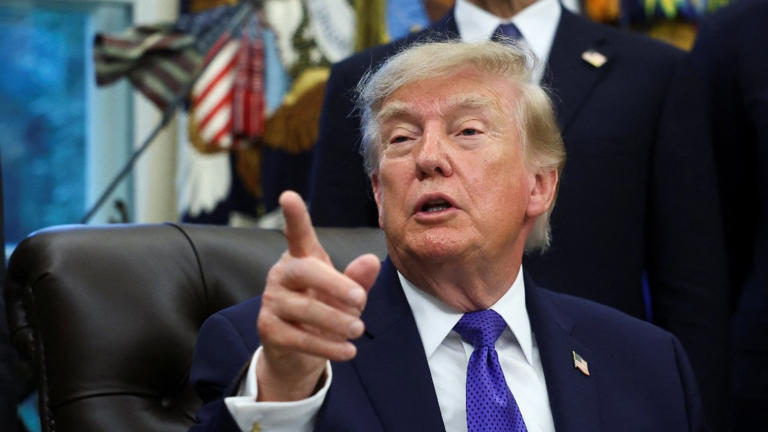
Trump said the US mission in Iraq began under President George W. Bush in 2003 and continued under the administrations of Barack Obama and Joe Biden. He credited his administration with defeating ISIS and said there was no longer a caliphate to fight.
TRUMP ANNOUNCES END OF US MISSION IN IRAQ
Trump also praised Iraq’s new Prime Minister Ali al-Zaidi, saying he had supported and endorsed him and that he won the election by a landslide despite not being expected to win.
Comparing the withdrawal with the US exit from Afghanistan, Trump said the departure from Erbil Air Base was an orderly withdrawal of coalition forces and equipment.
“I had a choice to stay or to leave, and felt, without question, that it was time for America to go home!” Trump said.
He added: “We came to fight a caliphate. There is no longer a caliphate. We are going home!”
CONCERNS OVER SECURITY VACUUM
The US withdrawal, however, has raised concerns among Iraqi security officials and analysts over the security vacuum it could create.
Analysts cited in background reporting said Iran and its allied armed groups could gain greater influence over Iraq’s security and political decision-making following the US departure.
Some Iraqi and Kurdish security officials have also warned that the withdrawal could give Islamic State sleeper cells an opportunity to regroup, citing concerns over the loss of US intelligence, logistical support and drone capabilities.
US-IRAQ WAR AND 2003 INVASION
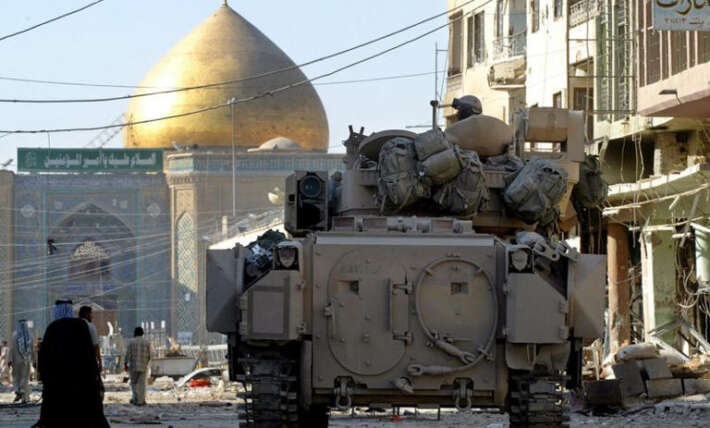
The US invaded Iraq in March 2003 under President George W Bush, leading a coalition that sought to remove Saddam Hussein’s government. The administration had argued that Iraq possessed weapons of mass destruction and posed a security threat, but no active stockpiles of such weapons were found after the invasion.
Saddam Hussein’s government was toppled within weeks, but the invasion was followed by a prolonged insurgency, sectarian violence and political instability. US combat forces eventually withdrew from Iraq in December 2011, ending nearly nine years of military involvement.
US RETURNS TO FIGHT ISIS
The US returned to Iraq militarily in 2014 after Islamic State captured large parts of Iraq and Syria and declared a caliphate.
Washington joined an international coalition supporting Iraqi and Kurdish forces in the fight against the militant group. Islamic State lost its territorial control in Iraq after major military operations between 2014 and 2017.
The US-led coalition’s campaign significantly weakened the group’s territorial presence, although Islamic State sleeper cells have continued to operate in Iraq and Syria.