Revoke legal aid for M*A*S*H actress’s daughter, says MP
The daughter of a M*A*S*H star who is taking legal action against a cafe that barred her dog should have her legal aid revoked, a Labour MP has said.
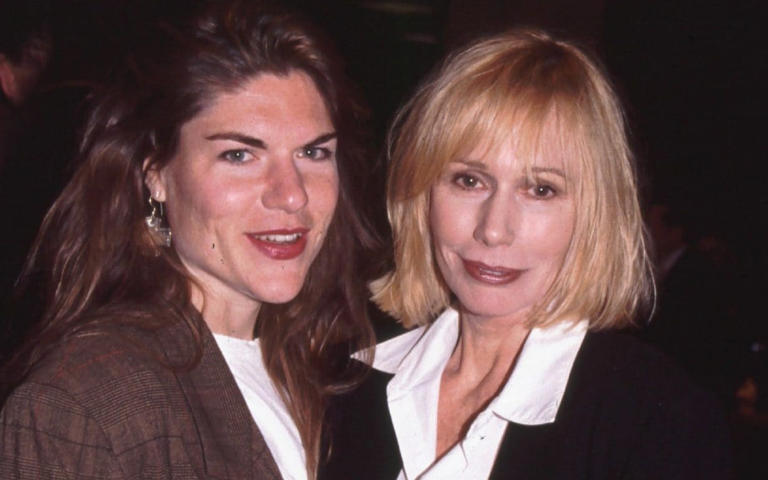
Claire Kellerman, the niece and adopted child of Sally Kellerman, was told her dog was not welcome in a cafe on Great Bernera in the Outer Hebrides.
She has been in a year-long legal dispute with the Bernera Community Association, the group that runs the cafe, which she accuses of discrimination based on disability under the Equality Act 2010 because she needs her dog for assistance.
The group, which runs the cafe on a voluntary basis, says it is on the brink of financial collapse because of the action. According to the Stornoway Gazette, the association is being sued by Ms Kellerman for £10,000.
Last week, it was confirmed that the association was facing bankruptcy if its legal costs continued to rise after Stornoway sheriff court ruled that the case could continue.
Separate action against another organisation, the Bernera Community Development Trust, has reportedly cost it £7,000.
Ms Kellerman – whose late aunt and adoptive mother played Major Margaret “Hot Lips” Houlihan in Robert Altman’s 1970 film – is being supported by the Ethnic Minorities Law Centre (EMLC), a Glasgow-based refugee charity, and has secured legal aid to fund her case.
Torcuil Crichton, the local Labour MP, has written to the boss of the Scottish Legal Aid Board, which approved the grant, to demand that the organisation does not go ahead with the funding.
The taxpayer-funded board has not yet transferred the cash to the EMLC but has approved it in principle, saying the application was “handled thoroughly, properly and entirely in line with all legal aid rules and guidance”.
Mr Crichton told The Telegraph: “The vexatious action against both these voluntary organisations threatens their financial stability and very existence. I seriously urge the Scottish Legal Aid Board to cease funding these actions.”
The Western Isles MP said the decision “raises wider issues” about why the board “continues to finance organisations which so clearly lack legal competence”.
Donald MacKinnon, the constituency’s Labour MSP, echoed the calls. He said: “Bernera Community Association is a small charity doing important work in a rural community in Lewis. This absurd case is putting the survival of their organisation at risk. The Scottish Legal Aid Board should urgently review their decision.”
Ms Kellerman, who describes herself as a “regenerative farming community designer”, is thought to have arrived in the Outer Hebrides four years ago, first staying on the Isle of Lewis and then moving north to Bernera.
She took legal action on the grounds that the cafe’s refusal to accommodate her counted as disability discrimination, given her pet is an “assistance dog”.
Island sources say there have been up to 16 disagreements between American-born Ms Kellerman and local businesses over her dog, a Queensland heeler called Tarkina.
Ms Kellerman told The Telegraph: “I am fighting this case, not just for myself but for other disabled people too.
“I am not a lawyer but I am bringing it under the Equality Act of 2010. I have a limp and am disabled. My dog is a highly trained assistance dog and is recognised as such the world over.
“I have a right to go with my dog into a cafe to eat and drink but I have been treated with immediate hostility by local businesses in Stornoway. This cafe said we have food on the premises, your dog cannot come in. But they need to know that equality is a human right.”
She also insisted she was a “Scottish citizen” since birth.
Before moving to Great Bernera, Ms Kellerman had travelled between Hawaii, New Zealand and the UK, working in permaculture.
She was a founding permaculturist for a 260-acre regenerative agriculture project in Makawao, Hawaii, and according to social media “trained for 12 years to facilitate Celtic Viking Mysticism”.
In response to calls from Mr Crichton for the withdrawal of her legal aid, Ms Kellerman said: “Torcuil is entirely aware of how I have been dehumanised, as he defends the perpetrators as if they are the victims.
“My case is extremely strong, urgent, valid and legally crucial.
“Disabled people with ADs [assistance dogs], including blind people with guide dogs and wheelchair users with service dogs, are regularly met with unequal & /ir [sic] appalling rejection, hurtful denial of supportive welcome.”