1,500 mink escape from Oregon fur farm after late-night fence-cutting, officials say
“This wasn’t activism. It was a criminal act against a legally operated, certified farm,” said Fur Commission USA
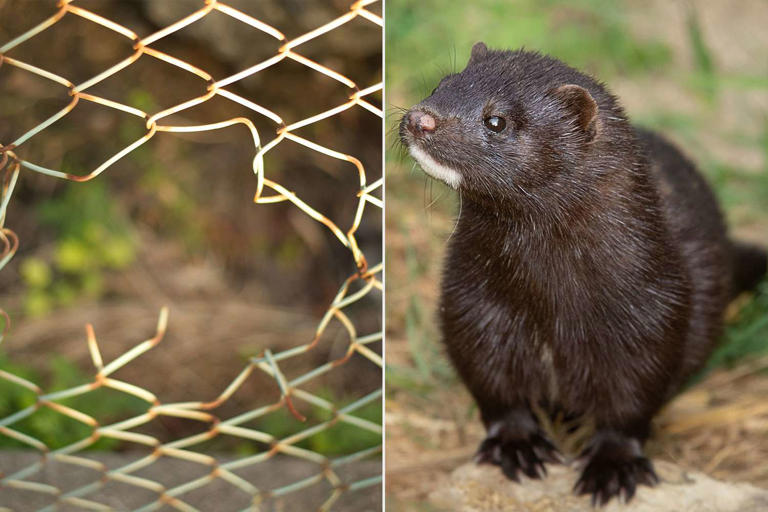
NEED TO KNOW
- About 1,500 mink escaped from an Oregon farm after an intruder cut through the fence overnight
- The farm is Humane Care Certified and raises mink legally for their pelts according to Fur Commission USA
- Officials recovered 90% of the mink but said unrecovered animals face high risks of death in the wild
About 1,500 mink escaped from an Oregon farm overnight after a suspected intruder cut open a section of fence.
According to KOIN, the animals escaped from Cascade Farm in Turner, Oregon, late at night, and workers found the hole in the fence the following morning, Thursday, Aug. 13.
“This wasn’t activism. It was a criminal act against a legally operated, certified farm,” said Challis Hobbs, executive director of Fur Commission USA, an organization that represents mink farmers, including Cascade Farm.
Hobbs emphasized that people live on the property where the incident occurred. “The farm manager and his wife and children live on this property, along with other employees and their families,” Hobbs told the outlet. “It’s deeply unsettling to have people cut through a fence in the middle of the night with children sleeping just steps away.”
The Marion County Sheriff’s Office confirmed the break-in and said it is investigating. Officials also said the farm’s owners have recovered about 90% of the animals. No arrests have been made.
The farm raises mink legally for their pelts and is Humane Care Certified. The business said escaped mink that aren’t recovered within 24 to 48 hours face a high risk of death from thirst, starvation, and predation.
PEOPLE reached out to Cascade Farm and Fur Commission USA for more information but has yet to receive a response.
According to experts, mink are semiaquatic members of the weasel family, or mustelids, a group that also includes otters, badgers, martens and wolverines.
The American mink is native to North America but has been introduced to parts of Europe, Asia and South America, where it can become invasive. In the wild, the strong swimmers live along the edges of lakes, streams and rivers and hunt fish, frogs, crayfish and small mammals.
This isn’t the first time intruders have released mink. In 2019, at a farm in Van Wert County, Ohio, nearly 40,000 mink were set loose.
According to a Fur Commission USA press release at the time, the break-in also resulted in “stolen livestock, destroyed fences, damage to barns, graffiti, and threats to the farmer and his family.” The damage was estimated at close to $1.6 million.
Never miss a story — sign up for PEOPLE’s free daily newsletter to stay up-to-date on the best of what PEOPLE has to offer, from celebrity news to compelling human interest stories.
“These terrorist acts are devastating for the farmer and his family, the community and surrounding ecosystem, and the mink themselves,” said the organization. “It is nothing less than an attack on rural America and our right to farm, free from intimidation and violence.”