The Cornell allegations and feminism’s double standard on female agency
The Cornell University rape allegations are the cultural topic of the moment. Like most controversial subjects, sides are quickly taken. Because this issue involves a female alleging criminal sexual conduct by several males, we’re propelled into gender war territory. But truth matters more than a battle of the sexes.
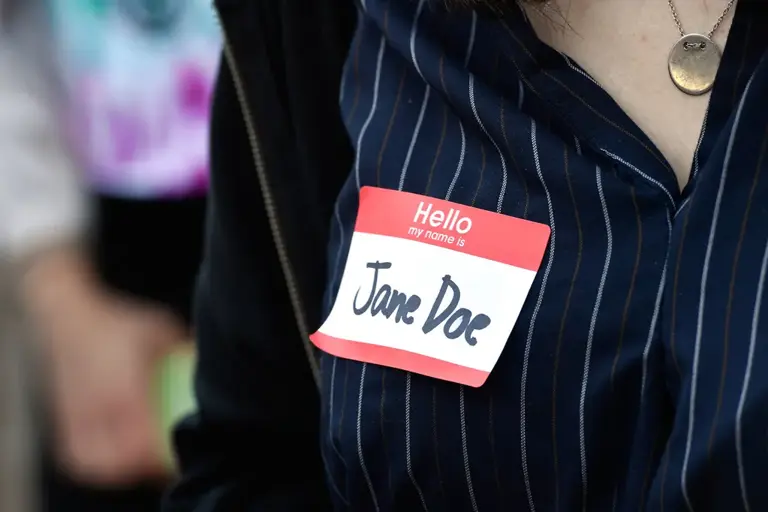
The core controversy involves competing claims from Jane Doe and Tompkins County District Attorney Matthew Van Houten. According to Van Houten, in a statement published Sept. 28, 2026, “Jane Doe’s sworn statement in November of 2024 did not allege that she was drugged against her will or gang raped. On the contrary, Jane Doe’s statement described her participation in drug use and sexual conduct as voluntary, conscious, and consensual.”
Now, two years later, Doe, through her attorneys, has filed a civil lawsuit claiming rape, coercion, and incapacitation. These accounts contain material contradictions that simply can’t be reconciled. Additionally, the young men named by Doe either say their encounters were consensual or individually deny any sexual encounter even occurred.
We are a long way from any sort of resolution in this case. But it does bring to light the issue of female empowerment.
Feminism likes to preach a “you go, girl!” mentality where women bulldoze their way through life. Women are powerful equals with men. We are self-assured creatures who can girl-boss and exist in male-dominated arenas. We have agency and make our own choices. These declarations seem to hold true unless the issue deals with sexuality.
I don’t claim to know what happened in the Chi Phi frat house that night in October 2024. However, if we go by the initial statements as reported by District Attorney Van Houten, Jane Doe is as responsible as the men involved for the mess they find themselves in.
For years, the loudest feminists insisted that hookup culture is great for women. Exploring one’s sexuality and doing what feels good in the moment is the ultimate freedom. Or something.
The problem with this mindset is that hookup culture is ultimately destructive. Treating sexuality as a cheap tool means that eventually, that liberation will lead to regret. Both men and women are far more than their sexuality. This contrasts sharply with the intense feelings of buzzed co-eds on a college campus in the middle of the night, but it remains true.
I take no issue with the idea of empowerment. Both men and women should feel empowered in terms of confidence, goal-setting, and defying odds as they reach to achieve in life.
What empowerment shouldn’t look like is the version feminism offers when it comes to sexuality. The most extreme version of this is the so-called content creator Bonnie Blue (real name Tia Billinger), who claims to have had sex with more than 1,000 men over the course of 12 hours in early 2025, all for clicks and stardom. At the far end of this feminist logic, sexual behavior can be treated as empowering simply because a woman chose it. If we filter it through any other social or moral code, it’s monstrous.
True empowerment looks at men and women and recognizes their ability to choose wisely and set boundaries. We can’t apply responsibility to every area of life except sexuality, then claim victimhood. Regret doesn’t magically turn into rape. Consent absolutely matters. So does personal responsibility.
Regardless of how the Cornell rape allegations and civil lawsuit turn out, this issue remains. Modern feminists still hold to a dichotomous view of women and sexuality. Instead of promoting responsibility and the ills of unfettered sexual behavior, we’re presented with blurred lines that can shift from one moment to the next. And we’re told in no uncertain terms that this is true empowerment. In reality, this branch of feminism produces weak women who sense they can use others as a means to an end, and sometimes do.
THE POLITICAL PATH OF THE CORNELL RAPE ALLEGATION
Women are adults whose autonomy deserves protection, but not perpetual supervision. This protected autonomy isn’t a special privilege. Men also deserve the same protection. Just like men, women have agency. That autonomy can’t turn on and off when sexual choices have unpleasant consequences.
Empowerment means having the freedom to choose. It also means shouldering the responsibility to live with those choices.