GOP remarks on gas prices spark voter backlash amid Iran war fallout
Voter frustration grows: Republicans face criticism from constituents upset over high gas prices and dismissive comments linking them to foreign policy priorities.
Political strategy shift: GOP leaders, once vocal critics of Democrats on fuel costs, now defend price spikes as inevitable due to the Iran conflict.
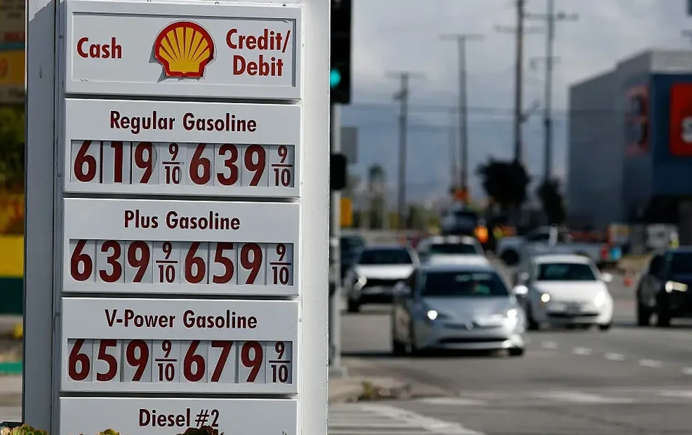
Economic stakes rise: With prices above $4.50 a gallon, strategists warn voters will prioritize economic issues over foreign policy in upcoming elections.The 50% increase in gas prices occurred after Donald Trump initiated military action against Iran. This military action is identified as the starting point for the recent surge in fuel costs.Following the outbreak of the Iran conflict and the closure of the Strait of Hormuz, the average price of gasoline in the United States has increased to $4.51 per gallon. This marks a significant rise from the pre-war average of $3 per gallon.Middle-income families in the United States are paying more than $90 extra each month for essential goods and services as a result of higher gasoline prices. This additional cost is straining household budgets.Republican leaders have remained publicly silent despite a 50% increase in gas prices since Donald Trump initiated military action against Iran. This contrasts with their previous vocal criticism of rising fuel costs under Democratic leadership.The shift from criticizing Democrats for high gas prices to defending or ignoring similar increases under Trump has exposed Republicans to accusations of hypocrisy. This change undermines their long-standing economic messaging.In an interview with CNN, Republican Representative Jim Jordan characterized rising gas prices as simply ‘life.’ This remark was perceived by some as downplaying the financial strain caused by the price increases. The comment has been cited as an example of a dismissive tone that has not resonated well with voters experiencing economic hardship.During a C-SPAN appearance, Republican Representative Mike Haridopolos was confronted by a caller who accused him of repeating partisan talking points and disregarding the economic realities faced by the public. The criticism was specifically tied to Haridopolos’s comments that were perceived as minimizing the impact of high gas prices. The exchange highlighted voter frustration with political rhetoric that appears disconnected from their financial challenges.Comments from Republican figures, including Mike Haridopolos and Jim Jordan, have been received poorly by voters dealing with high gas prices. The perception that these remarks downplay tangible financial strain has intensified criticism and highlighted a disconnect between political messaging and public sentiment.Melik Abdul stated that voters are primarily concerned with their personal financial situations, including the costs of gas and food. He argued that these economic factors are more likely to influence voting behavior than foreign policy issues.There is a broader recognition within the Republican Party that failing to address voters’ economic grievances could result in electoral losses. This perspective aligns with Melik Abdul’s warning about campaign focus.In response to rising gasoline prices linked to the Iran conflict, Donald Trump plans to cut the federal fuel tax. This measure is aimed at easing the financial burden on motorists.