Iran sets up new Hormuz authority, says all ships need its permission to transit
Iran has launched a new regulatory body to oversee maritime movement through the Strait of Hormuz in a bid to tighten control over one of the world’s most critical shipping corridors amid boiling tensions with the United States and its allies.
The new body, called the Persian Gulf Strait Authority (PGSA), was unveiled on Monday along with its account on X. In its first public statement, the authority described itself as “the legal entity and representative authority of the Islamic Republic of Iran for managing the passage and transit through the Strait of Hormuz”.
It further warned that navigation through the strait would require “full coordination” with Iranian military and state authorities.
“Passage without permission will be considered illegal,” the statement said.
Iran had reportedly demanded maritime control and shipping access by establishing PGSA in its recent 14-point peace proposal to US. However, US President Donald Trump rejected the framework during ongoing talks. Iran has submitted a fresh 14-point proposal to the US via peace mediator Pakistan, to which Trump hasn’t responded yet.
Iran’s Supreme National Security Council further amplified the new authority’s launch by reposting its announcement on X. At the time of publication, the account had gained around 35,000 followers and followed 12 handles linked to Iran’s political and military leadership, including those associated with Supreme Leader Ali Khamenei and former parliament speaker Ali Larijani.
IRAN INTRODUCES NEW RULES FOR SHIPS
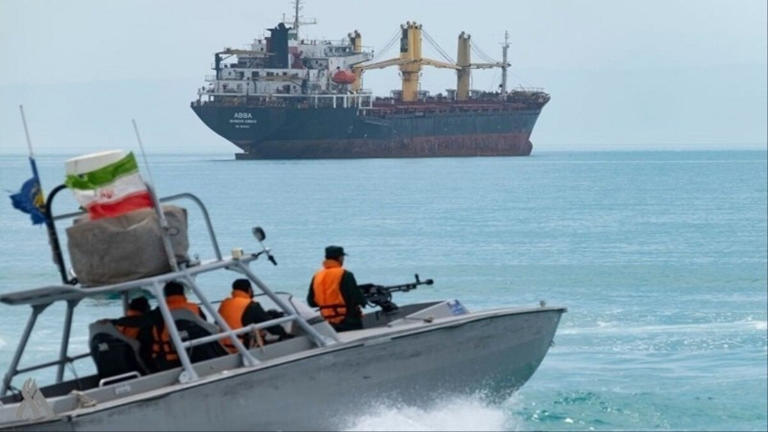
Iranian media outlets, including Tasnim News Agency and Fars News Agency, reported that the new authority would oversee shipping coordination, maritime transit routes and vessel-related services linked to movement through the strait. According to the reports, commercial ships may now be required to follow designated corridors, secure permits before entering the waterway and submit cargo and crew details to Iranian authorities.
Iranian officials have also hinted at possible service fees for vessels using the route. Ebrahim Azizi, chairman of Iran’s parliamentary National Security and Foreign Policy Committee, said the mechanism had been created under Iran’s “national sovereignty”.
“This route will remain closed to the operators of the so-called ‘freedom project,'” Azizi wrote on X.
He also indicated that only countries and vessels cooperating with Iran would benefit from the arrangement.
HORMUZ REMAINS GLOBAL FLASHPOINT
The Strait of Hormuz is one of the world’s most sensitive maritime chokepoints, linking the Persian Gulf with international shipping lanes through the Gulf of Oman. Any disruption in the narrow passage immediately affects global energy markets because massive volumes of crude oil and gas move through the corridor every day.
Tensions around the strait have escalated sharply since the start of the Iran-US conflict. Both Tehran and Washington have effectively imposed naval blockades in the area. News agency Reuters reported earlier this month that Iran had widened the operational zone linked to the strait, stretching from Jask in the east to Siri Island in the west.However, Iran has not yet disclosed the exact legal powers or structure of the new authority.