Tech writer says outage panic misses much scarier truth
A string of high-profile tech meltdowns has Americans wondering whether society is coming apart at the seams, but one tech writer argues the panic may be overblown — and that the real threat runs even deeper.
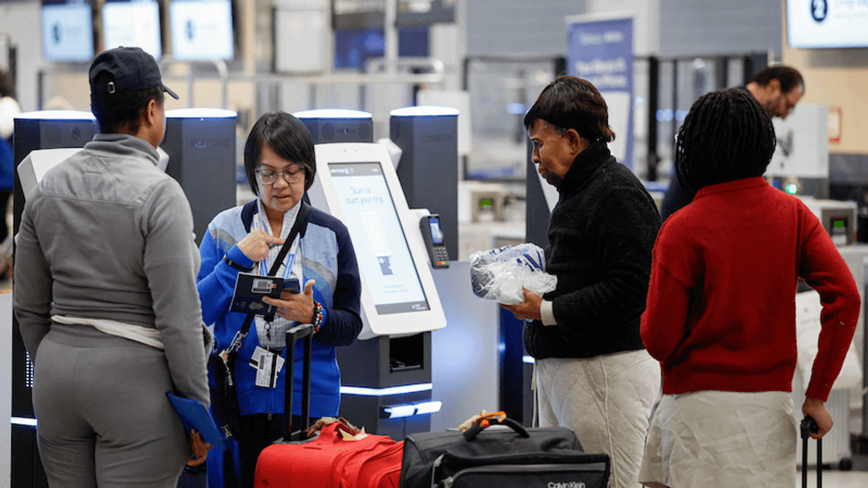
Tech columnist John Herrman published a new piece for New York Magazine’s Intelligencer that catalogued a dizzying week of failures – a Microsoft Outlook outage that cost businesses an estimated $7 billion, a nationwide ground stop that scrapped more than 20,000 flights, banking disruptions across multiple institutions, an internal NSA network going down, the National Weather Service going dark for nearly an hour and widespread Apple service failures.
Also Read: Epstein spying probe shelved by FBI as Trump returns to White House
The past week made it painfully clear “that we’re utterly dependent on the machines, that the machines are sick,” Herrman observed.
Still, the analysis cautioned that the frenzy risks becoming a “hyper-online Summer of the Shark scenario” — a reference to the summer of 2001, when wall-to-wall coverage of shark attacks convinced many Americans of a deadly surge that experts said wasn’t actually happening.
Want more breaking political news? Click for the latest headlines at Raw Story.
The official explanations so far have been mundane, Herrman noted. Microsoft’s outage stemmed from an internal error, the ground stop was blamed on a router upgrade, Chase cited a “bug,” the NSA said it saw no evidence of a cyberattack, the Weather Service pointed to “routine network maintenance” and Apple said an internal update was to blame.
Herrman did leave room for doubt, noting that the U.S. is at war with Iran, that AI-driven cyberattacks are on the rise and that the ground stop’s explanation comes through “some generationally untrustworthy and unqualified figures, so who knows.”
But the bigger story, the columnist argued, is what the outages reveal. The cybersecurity community’s emerging view is that any genuine spike in failures may be self-inflicted — a byproduct of the scramble to patch and upgrade aging software ahead of AI-powered cyber threats that are already showing up in the data.
That leaves society dependent on a digital infrastructure Herrman described as “a delicate, inscrutable, overburdened and vulnerable mess,” much of it creaky, patched-together systems run by outside contractors.
Holding it all together are exhausted engineers and IT workers “waging a grinding war against the entropy of codebases,” he said, even as many fear AI will soon take their jobs.
“There are many reasons to believe that this situation will get worse,” Herrman warned, as failures “force us to confront just how dependent we are on systems that most people don’t understand, or even know exist.”
“The people taking care of them have understood this for a long time,” Herrman concluded. “Now everyone else does too.”